



Choosing the right mascara filling machine is one of the most important equipment decisions a color cosmetics factory makes. A filler that matches your formula, container and compliance needs keeps output consistent and changeover short; the wrong one creates waste, downtime and audit headaches. Below we explain the details that matter most when comparing mascara filling machines, drawn from hands-on cosmetic production experience.
The body of a filler is not just a shell. A SUS304 stainless steel frame resists corrosion from cosmetic oils and solvents, wipes down easily and keeps its finish after months of cleaning. Hygienic construction supports the cleanliness expectations of brand owners and auditors, and it protects the machine itself from the aggressive chemistry inside many mascara and lip gloss formulas. When you evaluate a stainless steel filling machine, check the weld quality, the drainage of the table surface and whether the control cabinet is sealed against splash and dust.
A modern cosmetic filling machine should be governed by a PLC with a touch screen HMI. From this interface an operator can adjust filling volume, filling speed, capping torque and recipe storage without rewriting software. A clear HMI shortens training, reduces setup errors and makes product changeover repeatable across shifts. Look for recipe memory, alarm history and multi-language support, because these features directly reduce the skill level required to run the line.
Filling precision is usually stated as a tolerance, for example ±0.1 g, and it depends on the filling principle. A servo-driven piston filling system delivers accurate, repeatable doses for both thin eyeliners and thick mascara pastes, and the filling curve can be tuned for shear-sensitive formulas. An anti-drip filling nozzle stops product stringing after each shot, keeping container rims clean and cutting giveaway. Together, servo piston dosing and an anti-drip nozzle protect both product quality and yield.
How containers reach the machine affects labor cost and stability. A vibration feeding table supplies tubes steadily to the rotary stations, preventing starved or jammed cycles, while automatic discharge links the filler to downstream packing. A one operator labor saving layout means a single person can supervise feeding, filling and capping, so output can grow without adding headcount. For factories running several products, multi size bottle filling that accepts containers from about 10 mm to 125 mm in diameter avoids heavy changeover between SKUs. Because power grids differ by market, an AC220V 380V voltage design removes the need for external transformers and simplifies installation for export customers.
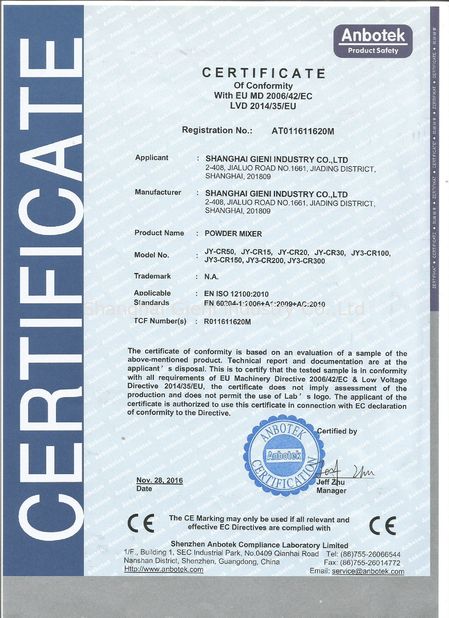
Changeover downtime often hides in cleaning. An easy clean CIP design lets the filling circuit be flushed without full dismantling, so switching colors or formulas takes less time and hygiene is easier to maintain. For buyers serving regulated markets, look for GMP oriented construction and CE certified components, supported by documentation such as test records, loading diagrams and spare-part lists. Finally, OEM ODM customization allows station layout, filling range, capping torque, voltage, color and nameplate to match your own product plan, which is valuable for both brand owners and contract manufacturers.
| Consideration | What to Look For |
|---|---|
| Construction | SUS304 stainless steel body, sealed cabinet |
| Control | PLC + touch screen HMI with recipe memory |
| Filling | Servo piston dosing, ±0.1 g, anti-drip nozzle |
| Feeding | Vibration feeding table, auto discharge |
| Flexibility | Multi size bottle filling, AC220V / 380V |
| Maintenance | Easy clean CIP structure |
| Compliance | GMP oriented build, CE certified components |
| Customization | OEM ODM tailored configuration |
Is a stainless steel body necessary for a mascara filling machine? SUS304 stainless steel improves hygiene, resists cosmetic corrosion and cleans faster than coated frames, which is why it is standard on professional equipment.
Why does anti-drip filling matter? It keeps container mouths clean, reduces product waste and improves the appearance of the finished unit.
What does GMP CE certification tell me? It signals that the machine is built to support hygienic production and safe electrical design, which helps when selling into regulated markets.
Can one machine handle several cosmetic products? Yes, with adjustable filling parameters, multi size bottle filling and quick cleaning, one filler can run mascara, lip gloss and liquid foundation.
Matching a mascara filling machine to your formula, containers and target markets pays off in cleaner output, faster changeover and fewer surprises at audit. If you are planning a new line or upgrading an existing one, share your container and capacity details and our team will recommend a configuration that fits your production goals.
Contactpersoon: Mrs. Joan.WU
Tel.: 8613482060127


 Dutch
Dutch


